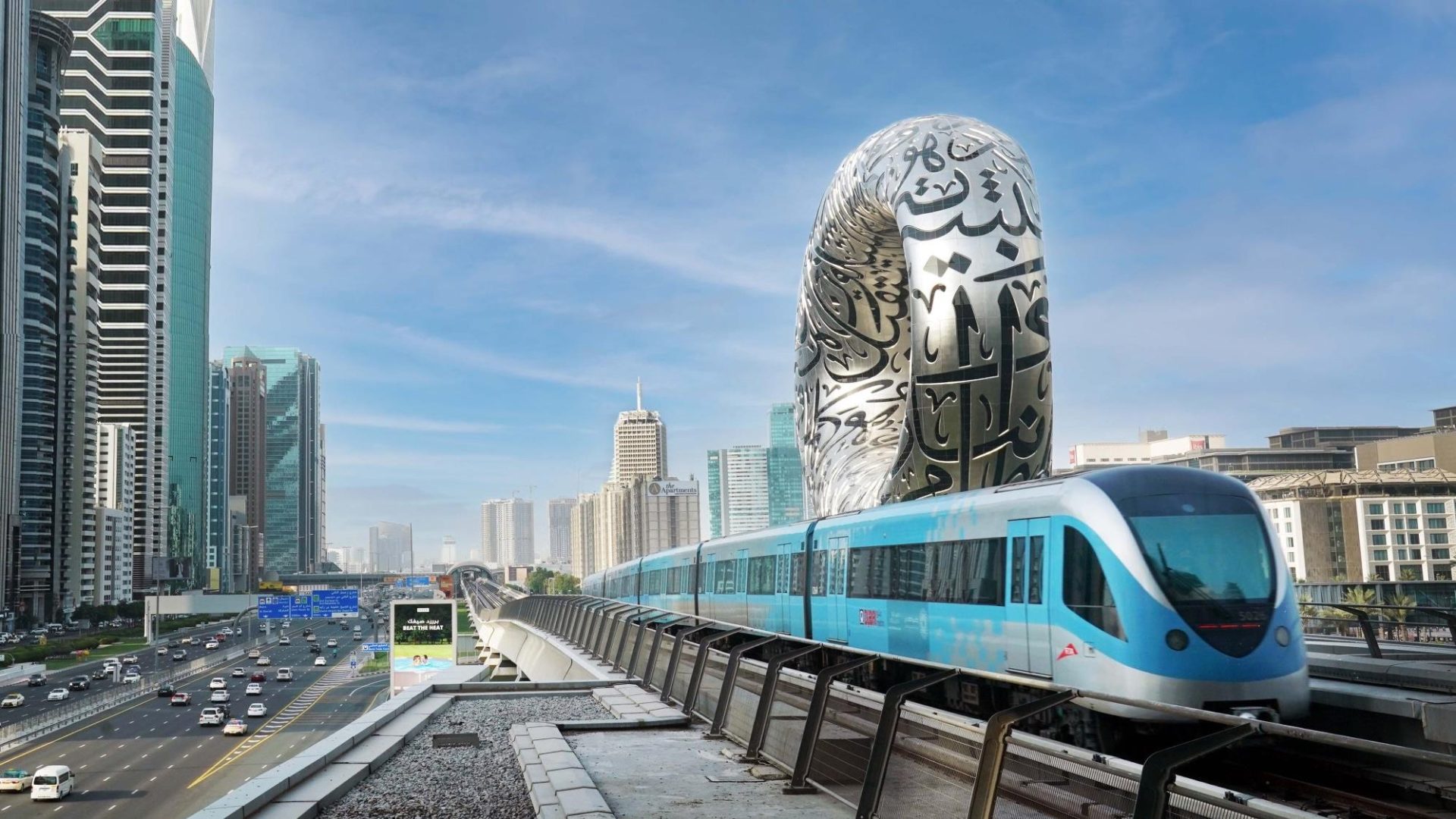
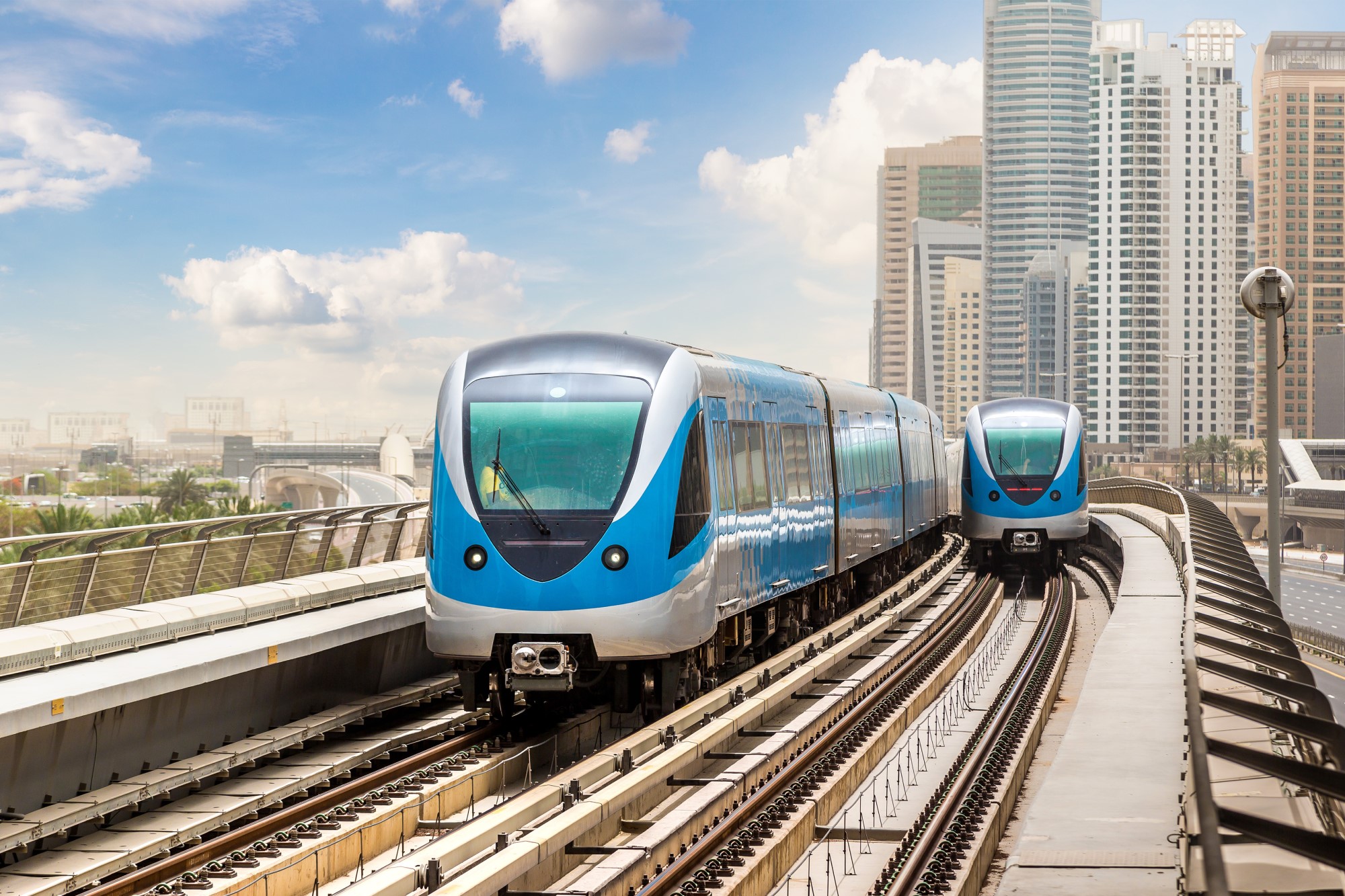
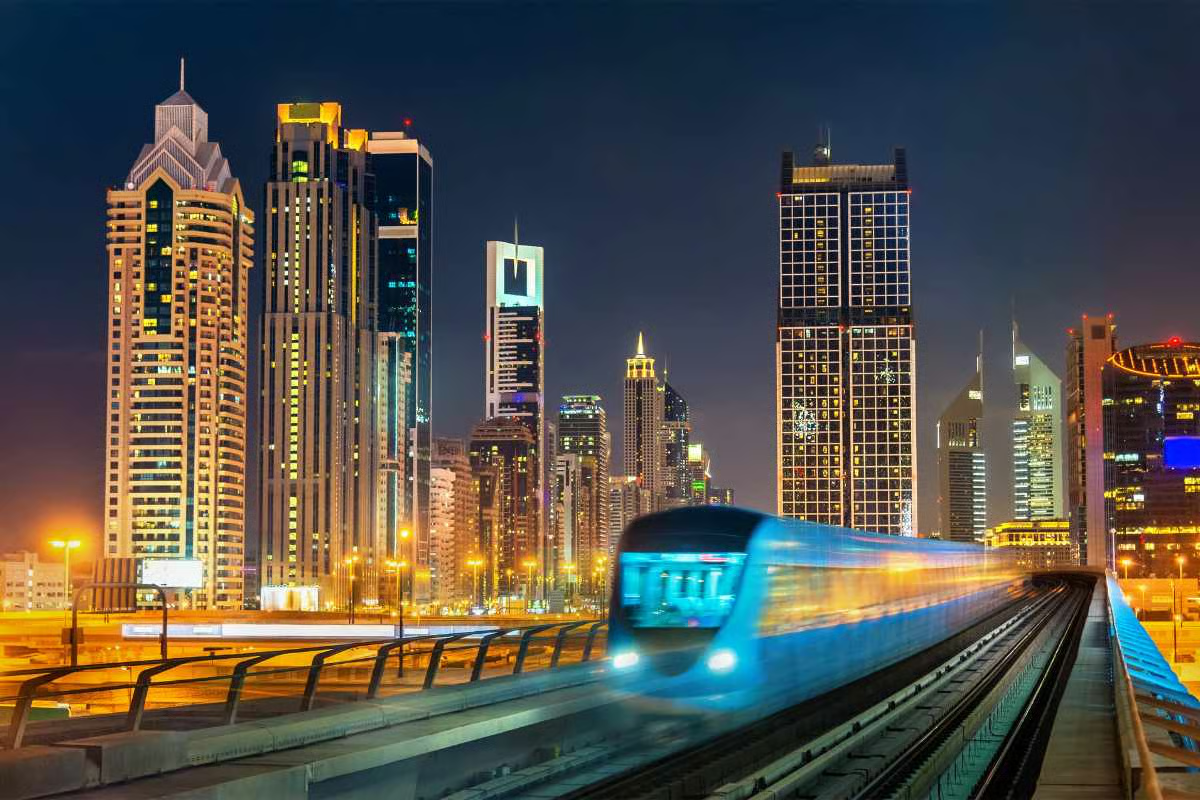
Dubai Metro’s Blue Line system is viewed as one of the most transformative mass-transport infrastructure in the Middle East by Lykan Realty research staff. This 30-kilometer extension of Dubai’s transportation network is expected to fundamentally reshape real estate accessibility, connectivity, and long-term property values across the city. With an estimated investment of AED 20.5 billion (USD 5.6 billion) and a planned completion by September 9, 2029—marking 20 years since the launch of Dubai’s first metro line—the project is set to significantly enhance the appeal of nearby residential developments.
As improved connectivity boosts demand and valuation, premium communities and projects such as Rosehill by Emaar, Vida Residences, Eden House Dubai Hills, Park Gate Phase, Greencrest by Emaar, Avra and Aurora, Sama Yas, and Golf Hillside are expected to benefit from stronger capital appreciation and rental performance driven by enhanced metro access and urban integration.
MRA noted that, the new metro line, coded Blue Line from a broad spectrum of service advancements, will also involve qualitative improvements to metro stations to be integrated into the existing Mass Rapid Transit System for Dubai. This folder comprehensively tries to connect places quickly and most effectively, considering the end-user, around 14 strategically positioned metro stations integrated into the fast-paced urbanizing residential and commercial districts that are: Dubai Creek Harbour, Dubai Festival City, International City, Dubai Silicon Oasis, and Dubai Academic City. The line is broadly divided into two branches: a branch that spans 21 km from Creek Interchange to Academic City, in the process waylay with 10 stations, and another branch measuring 9 kilometers from Centrepoint Interchange that runs through Mirdif and Al Warqa to meet with the main line at International City.
The track formation accommodates 15.5 kilometers of tunnels and 14.5 kilometers of the elevated section. By 2040, the Dubai Metro Blue Line is anticipated to serve 320,000 passengers daily – an immense stride towards the improvement of public transportation capacity and coverage in Dubai. The Lykan Realty team waging an argument on the monetary projection say that this infrastructure development would contribute to an economic benefit of a staggering cumulative amount-56.5 billion AED by 2040, due to shorter commuting times under improved air quality and higher land values around the metro.
Understanding the Dubai Metro Blue Line Route Map and Complete Station List
What Does the Dubai Metro Blue Line Route Cover?

The most striking Dubai`s bus map expansion in recent years is the Blue Line route map from the Dubai Metro. The route primarily starts at the Creek Interchange Station (connecting with the already existing Green Line at Al Jaddaf) and goes on rail heading eastwards right through some of Dubai’s fastest developing communities; passing Dubai Festival City, an iconic shopping destination and waterfront lifestyle district, and eventually stopping off at Dubai Creek Harbour, a prestigious mixed-use waterfront development featuring the world’s tallest metro station at 74 meters high. Beyond this point, the route touches Ras Al Khor Industrial Area, a very strategic logistics and industrial area.
The secondary line heads north from the Centrepoint Station(Red Line interchange at Al Rashidiya) to serve the Mirdif and Al Warqa residences before joining the main line at the International City. According to Lykan Realty’s studies, this Y-shaped system should offer the best territorial coverage while considering operational efficiency and linking best-fit with the existing metro infrastructure.
Complete Dubai Metro Blue Line Stations List and Their Strategic Importance
| Station Name | Location | Route | Station Type | Key Features |
| Creek Interchange | Al Jaddaf | Branch A | Underground Interchange | Green Line Connection |
| Dubai Festival City | Downtown Dubai | Branch A | Elevated | Shopping & Entertainment Hub |
| Dubai Creek Harbour | Creek Harbour | Branch A | Elevated | World’s Tallest Metro Station (74m) |
| Ras Al Khor Industrial | Ras Al Khor | Branch A | Elevated | Industrial & Logistics Zone |
| International City 1 | International City | Junction | Underground Interchange | Major Hub & Y-Junction |
| International City 2 | International City | Branch A | Underground | Residential Community Access |
| International City 3 | International City | Branch A | Underground | Residential Community Access |
| Dubai Silicon Oasis | Silicon Oasis | Branch A | Elevated | Technology & Residential Hub |
| Dubai Academic City | Academic City | Branch A | Terminal | Education & Technology Center |
| Centrepoint | Al Rashidiya | Branch B | Elevated Interchange | Red Line Connection |
| Mirdif | Mirdif City Centre | Branch B | Elevated | Family Residential Community |
| Al Warqa | Al Warqa | Branch B | Elevated | Residential Community Access |
| Al Khor (Future Station) | Al Jaddaf | Depot Connection | Future Elevated | Maintenance & Operations |
| Al Ruwayyah 3 Depot | East Academic City | Terminal | Operational Facility | Metro Maintenance Facility |
The Lykan Realty group emphasizes that each station was constructed based on the needs of a particular community: the seashell theme goes for the elevated stations, while architecturally themed stations are about the beginning of a signature-themed category for earth, air, fire, and water realm. These architectural talents enhance Dubai’s initiative to make its public transport system not only functional but also visually distinct.
Dubai Metro Blue Line Stations: Complete Details and Strategic Locations
Which is the Best Place to Buy Property in Dubai Along the Blue Line?
Lykan Real Estate, based on its findings, conveys that properties located within a 10-minute walking distance of city metro blue lines command premium valuations. A relatively fair literature review would show that properties within 15-minute walking distance of the blue lines constantly outperform the market averages.
In other words, while the Creek Harbour Station benefits from a waterfront-facing position within the city, very little of significance happens to the Mirdif Station, depending on the persuasive appeals for established family-oriented residential communities.
Dubai Metro Blue Line Opening Date 2029: What to Expect
The opening of the Blue Line of the Dubai Metro has been confirmed to take place on September 9, 2029, a day that will be remembered on the civic calendar as the anniversary of the establishment of the Red Line 20 years before.Â
Currently, construction has reached 12 percent of its finishing, with over 3,000 workers running across a multitude of sites, according to the figures provided by the Roads and Transport Authority of Dubai (RTA) late in 2026. Metrics suggest that there should have been at least 30 preamble by the end of 2026 in line with the announced completion goal of September 2029 for an operational opening.
Dubai Metro Blue Line Mirdif Station Location and Community Impact
Mirdif is sustained by the development culture provided by Nakheel and Emaar to fill itself into the mold of becoming an attractive community for professionals and unions targeting much longer-term residential accommodation. Who cared when Mirdif began housing schools, shopping, and medical services around it?
With the éweshaw yesterday, by the time Mirdif launches, it might have never witnessed such close proximity to Downtown Dubai. That in essence means Mirdif, with a 30-40 minutes ride to these main destinations from now, must by all means get down to a 15-30 minutes segment.
Dubai Metro Blue Line International City Route and Multi-Branch Access
One of the most strategically significant segments from any view of the Dubai Metro is the International City. This consists of Dubai’s most affordable residential community. It will take three different stations on the metro reaching a high-new level of connectivity.Â
The International City 1 will stand as a very important interchange with both of the branches of The Blue line meeting here for an easy transfer between both Internet Lines at peak penetration. The Lyka’s Realty team frequently underscores the significant strategic advantage that the three-stationed International City provides, the Dubai Metro network’s second largest interchange after the downtown Dubai interchange.
What is the Current Dubai Metro Blue Line Construction Progress?
Despite the fact that the construction site was opened in April 2026 with active construction lasting about five months, the completion of an amount of blue electrical equipment running the Metro Ductline project shows an acceleration with 12% finished, as of December 2026. The RTA (Roads and Transport Authority) took 11 redirection initiatives for the purpose of promoting construction activities with least effect on traffic. Beyond 260 piled pier foundations were cast at many substation locations, while excavation works exceeding 400,000 cubic meters have commenced primarily in International City – zones 1, 2, 3.
The construction techniques explicitly put together by the project include modern precast concrete technology, under which two separate designated batching plants and precast storage areas have been established at Al Ruwayyah 3 and International City Zone, respectively. This is the first time RTA is integrating such specialized plants directly into a rail project to enhance the efficiency of both production and quality control.
Dubai Metro Blue Line Underground Stations vs. Elevated Track Infrastructure
| Infrastructure Type | Distance | Number of Stations | Technical Specifications |
| Underground Sections | 15.5 km | 5 underground stations + 1 interchange station | Running alongside Sheikh Mohammed Bin Zayed Road (E311); 30-meter width tunnels; strategic ventilation systems |
| Elevated Sections | 14.5 km | 5 elevated + 4 future elevated stations | Seashell-inspired architectural design; expanded platforms accommodating increased ridership; creek crossing bridge (1,300m) |
| Total Infrastructure | 30 km | 14 primary stations + 1 depot | Capacity: 46,000 passengers per hour in both directions; train frequency: ~2 minutes |
Underpass sections along Sheikh Mohammed Bin Zayed Road (E311) will use TbM technology, the most advanced tunnel boring machine, which will greatly reduce surface noise. The viaduct line features the first major bridge built by construction to cross one of the world’ s busiest water channels, Dubai Creek-with its 1.3km span providing an icing on the cake.Â
The above instances illustrate the diversified approach in providing infrastructural services with the best possible service under varying geographical and environmental conditions, according to research conducted by Lykans Realty.
Cost and Budget Allocation Details
One of the most extensive infrastructure construction investments in Dubai was made to the Blue Line of Dubai Metro, for a price falling around AED 20.5 billion (US$5.6 billion). The construction contract had been given to a Turkish-Chinese combine, which started work in April 2026. The budget envelope has been allocated for comprehensive planning for the stations, track infrastructure, signaling system, rolling stock, and arming the operational preparedness.
Lykan’s Realty team reckoned this investment would trigger an economic return of AED 2.60 for each AED 1 invested by 2040. Apart from the advantages during construction, the non-automobile transportation system will help reduce additional loads on roads by 20 percent. The property values around the stations can increase by as much as 25 percent.
How Will the Dubai Metro Blue Line Real Estate Impact Property Valuations?
Dubai Metro’s Blue Line will have an immoderate impact on the residential sub-market of Dubai, allying a new age of urban metropolitanism. That major catalyst for wealth creation accelerates property values within 10-15 minutes of a metro stop through anchor-dropped appreciation values. From 2010 to 2022, homes near the Dubai Red Line metro station advanced on average by 26.7 percent compared to the slightly less 24.1 percent marketwide growth in Dubai.Â
But the select few were mostly those along stations selling at the most in the market-income. That is, 102 metro-centric properties generally appreciated by 43.8 percent.
According to the Lykan’s Realty team, prices of up to 10-15 percent are expected to appreciate as properties near Blue Line are within walking distance from metro stations; with rental rates increasing. This should be a range of rental yields seen in high rents due to this convenient approach to transit.
Is It a Good Time to Buy Property in Dubai Near Blue Line Stations?
Based on the data and findings compiled in an in-depth market analysis by Lykan’s Realty research and expert team, the opportunity is far superior to the risk for an investment somewhere around the Blue Line. Different factors are there to support a purchase being made today: first, properties are still beholding their individual prices from the pre-opening days of the Metro; second, an already barely existent supply of product is yet to be developed because a rather increasing development pipeline strives for residential space in the vicinity to the extant Metro; third, government diversification of the Dubai economy continued to attract the interest of many international investors; fourth, the subsequent price gain by 2029 will offer new possibilities.
The 2026 forecast for Dubai property could suggest moderate price gains between 1 to 3 percent in the mainstream segment and 3 to 5 percent for prime-category projects, therein continued stability rather than mobility within the market, immediately appealing to buyers. This translates into a market that may progressively develop from 2024 exceptional market growth issuance.
Which Are the Best Property Projects in Dubai for Foreign Investors Along the Blue Line Route?
The best property projects in Dubai for foreign investors near Blue Line stations include several flagship developments:
- Dubai Creek Harbour: Emaar’s waterfront master community offers residential towers with direct metro access planned for 2029. Properties range from AED 1.2 million for studios to AED 5+ million for premium units. Estimated rental yields: 5-6 percent.
- Dubai Silicon Oasis: Technology-focused community featuring mixed-use developments with affordable entry points starting at AED 800,000. This area attracts students, professionals, and tech entrepreneurs. Estimated rental yields: 6-7 percent.
- International City: Dubai’s most affordable residential community with properties starting at AED 600,000 for studios. Multiple three-station configuration ensures exceptional connectivity. Estimated rental yields: 7-8 percent.
- Dubai Academic City: Education and research hub offering apartments suitable for long-term academic professionals and visiting scholars. Properties range from AED 900,000 to AED 3 million. Estimated rental yields: 6.5-7.5 percent.
Dubai Metro Blue Line Interchange Stations: Strategic Connectivity Advantages
Blue Line interchange stations will be key to linking Dubai transit systems to the entire network. In the context of the two Blue Line routes, the interchange at International City 1 continues the role of serving occupants through changeover between the north (routes to Mirdif and Al Warqa) and east (routes to Creek Harbour and Academic City).Â
The Creek Interchange Station links the Blue Line with the existing Green Line, thereby opening up new opportunities for transit to zones such as Expo City Dubai and Ibn Battuta. Centrepoint Station forms Red Line connections with Downtown Dubai, Business Bay and UAE Exchange infrastructures.
According to Lykan’s Realty, properties located within a radius of about 500 meters from any interchange would command a higher valuation due to increased transit flexibility and access to multiple destinations. Such a location usually offers a 15%-20% premium when compared with single-line access locations.
Dubai Public Transport Expansion 2029: Broader Network Integration and Future Growth
How Does Dubai Metro Blue Line Connect with the Existing Public Transport Network?
The Dubai public transport expansion 2029 positions the Blue Line as the central connector linking Dubai’s previously separated geographic zones. The Red Line primarily serves the city’s western and downtown corridors (UAE Exchange, Business Bay, Downtown Dubai, Dubai Marina).Â
The Green Line connects the southern waterfront and central areas (Expo City Dubai, DIFC, Dubai Festival City vicinity). The Blue Line integration creates comprehensive east-west connectivity, enabling passengers to transition seamlessly between all three lines.
Additionally, the Blue Line project incorporates integration points with the Etihad Rail network, Dubai’s broader economic corridor rail system. This multi-modal connectivity creates unprecedented transportation flexibility for residents, workers, and visitors navigating Dubai’s expanding metropolitan area.
What is the RTA Blue Line Project Impact on Dubai’s Public Transport Strategy?
The RTA Blue Line project details reflect Dubai’s strategic commitment to supporting the “20-minute city” concept, ensuring that residents can access essential services employment, education, healthcare, retail, recreation within 20-minute commute times. The Roads and Transport Authority (RTA) targets exceeding this standard significantly for populations living near Blue Line stations.
The project addresses Dubai’s anticipated population growth, with analyst projections suggesting 5 million residents by 2029-2030 and 7.8 million by 2040. The current population is approximately 3.6 million, representing substantial housing and transportation demand. The Blue Line’s capacity to serve 320,000 passengers daily by 2040 represents essential infrastructure supporting sustainable urban growth.
How Will the Blue Line Support the Dubai Metro Network Expansion Phase?
The Blue Line represents Phase 3 of Dubai’s strategic metro network expansion strategy. Upon completion, Dubai’s metro system will comprise 131 kilometers of track serving 78 stations with 168 trains. This expanded network positions Dubai among the world’s most comprehensive metro systems relative to metropolitan area size. The Lykan’s Realty research team projects that each subsequent phase of expansion will replicate the real estate appreciation patterns established by the current Red and Green Lines.
Expert Opinions on Dubai Metro Blue Line Impact
- Property Market Expert Opinion: “The Blue Line will be transformative for Dubai’s real estate dynamics,” states Mario Volpi, head of brokerage at Novvi Properties. “Areas within 10-minute walking distance to metro stations will see 10-15 percent property appreciation. This represents perhaps the most significant real estate catalyst Dubai will experience in the next five years. Entire neighborhoods currently considered peripheral will transform into mainstream residential destinations.”
- Transportation Infrastructure Expert Opinion: “The Blue Line’s opening in 2029 will fundamentally alter commuting patterns across Dubai,” according to transportation analysts cited by The National. “Long-term success depends on a metro system that is convenient, efficient, and well-connected. By those metrics, the Blue Line exceeds expectations. The infrastructure quality, station design, and connectivity integration represent world-class standards.”
- Real Estate Investment Specialist Opinion: According to the Lykan’s Realty expert analysis team, “Strategic investors positioning property purchases in Blue Line zones during 2026-2028 will capture appreciation occurring before the line opens. Once operational in September 2029, valuations typically increase 20-30 percent within 12-18 months as demand spikes following actual metro service launch. Early positioning provides optimal return timing.”
Dubai Property Ownership Laws for Foreigners: Essential Information for Blue Line Investors
Can Foreigners Buy Property in Dubai Near Metro Blue Line Stations?
Dubai property ownership laws for foreigners explicitly permit property acquisition in designated freehold zones along the entire Blue Line route. The Legal Framework established by Regulation No. 3 of 2006 designates specific areas where non-UAE nationals can own property with full rights.Â
Virtually all Blue Line stations serve areas within these freehold designations, including Dubai Creek Harbour, Dubai Silicon Oasis, International City, and Dubai Academic City.
Foreign nationals can acquire three primary property rights in designated areas: freehold ownership (indefinite ownership), usufruct rights (usage rights without title transfer), and long-term leasehold rights up to 99 years. Once property is registered with the Dubai Land Department (DLD) and the title deed is issued, non-residents possess full legal protections equivalent to UAE national ownership.
How to Buy Property in Dubai Step by Step: Comprehensive Buyer’s Process
Step 1: Research and Financial Preparation
Define your budget encompassing property price plus additional costs including 4% Dubai Land Department (DLD) fees, 2% agent commissions, and bank fees if financing. Identify your target Blue Line zone based on lifestyle preferences and investment objectives.
Step 2: Engage a Real Estate Agent and Property Selection
Partner with a RERA-registered real estate agent specializing in your target zone. Conduct property viewings focusing on location quality, amenity access, community development trajectory, and metro station proximity. Evaluate both off-plan opportunities and ready-to-move properties.
Step 3: Secure Mortgage Pre-Approval (If Applicable)
Obtain mortgage pre-approval from UAE banks before committing to property purchase. Foreigner down payment requirements typically start at 20-25 percent depending on property value and bank policies. Pre-approval establishes clear budget parameters and strengthens negotiation positions.
Step 4: Make an Offer and Negotiate
Submit a reasoned offer based on comparable property analysis and market conditions. Expect negotiations on price, payment terms, and additional cost allocations. Successful negotiation typically results in 5-10 percent discounts from asking prices, particularly for off-plan properties.
Step 5: Sign Memorandum of Understanding (MoU) – Form F
Upon offer acceptance, both parties sign the formal MoU outlining purchase price, payment schedule, completion timeline, and special conditions. Pay deposit amount (typically 10% of purchase price) to the seller’s agent or directly to a trustee office for escrow protection.
Step 6: Obtain Developer No Objection Certificate (NOC)
Seller initiates NOC acquisition from the developer confirming absence of outstanding service charges or property encumbrances. NOC processing typically requires 7-14 days and establishes a clear title for transfer.
Step 7: Arrange Mortgage Financing (If Applicable)
Finalize mortgage application including property valuation, employment verification, and income documentation. Bank approval typically requires 5-7 working days once complete documentation is submitted.
Step 8: Complete Transfer at DLD Trustee Office
Both buyer and seller visit a Dubai Land Department trustee office to finalize the transaction. Submit required documentation including passports, title deeds, NOC, and proof of payment. Pay DLD transfer fees (4% of purchase price), trustee fees, and agent commissions.
Step 9: Receive Digital Title Deed
Upon completion, the DLD issues a digital title deed accessible through the Dubai REST (Real Estate Services through Technology) application. This concludes the formal ownership transfer process.
What Are First-Time Homebuyer Requirements in Dubai?
Dubai initial assistance schemes provide customized incentives such as cheaper interest rates, more flexible forms of repayment, and faster mortgage processing. The Dubai Land Department works with various major UAE banks (Emirates NBD, Mashreq, Commercial Bank of Dubai, Dubai Islamic Bank, and Emirates Islamic) to support beneficial lending terms for first-time home buyers who meet the initial criteria.
The requirements in general include a maximum property limit of AED 5 million for optimal financing terms, a minimum credit score of 600, employment verification that shows stable income, and a complete absence of previous purchase of real estate in Dubai.
Explicitly, the DLD First-Time Buyer Programme selects an applicant buying a primary house for owner-occupancy and not for investment.
Understanding Off-Plan vs. Ready Property Financing Differences
- Off-Plan Properties: Developer payment plans typically span construction timeline (3-5 years), with installments structured around construction milestones. Mortgage financing generally begins upon property delivery, requiring buyers to manage pre-delivery payments independently. Down payments for off-plan properties typically range 25-50 percent depending on project phase.
- Ready Properties: Traditional mortgage financing applies with standard 20-25 percent down payments. Immediate occupancy eliminates bridge financing requirements, simplifying the purchase process. Monthly mortgage payments commence immediately following title transfer.
The Lykan’s Realty research team advises that first-time buyers carefully evaluate payment plan structures, particularly for off-plan properties, ensuring pre-delivery cash flow adequacy before committing to purchase.
Expat Real Estate Investment in Dubai: Legal Frameworks and Tax Considerations
Expat real estate investment in Dubai operates within clear regulatory parameters established by the Dubai Land Department and RERA (Real Estate Regulatory Agency). Foreign investors receive equivalent ownership rights to UAE nationals within designated freehold zones.
 No foreign investment restrictions exist for property categories including residential, commercial, or mixed-use developments in approved freehold areas.Tax treatment for expatriate property owners is favorable, with no personal income tax on rental income. Annual rental yields typically range from 5-8 percent depending on location, property type, and lease terms.Â
Expatriates can own multiple properties without restriction, though financing terms may require higher down payments (60-70% loan-to-value) for second and subsequent properties.
Common Mistakes Buying Property in Dubai: Critical Pitfalls to Avoid
Top 5 Mistakes When Purchasing Dubai Real Estate
- Mistake 1: Inadequate Budget Planning
Many buyers focus solely on property prices while overlooking associated costs. Comprehensive budget calculations must include: 4% DLD transfer fees, 2% agent commissions, bank arrangement fees (1-2% of loan amount), valuation charges (AED 2,500-4,000), life insurance (0.4-0.5% annually), and annual service charges varying from AED 3-8 per square foot depending on building amenities and location. - Mistake 2: Insufficient Due Diligence on Developer Credentials
Purchasing off-plan properties from unproven developers carries substantial risk. The Lykan’s Realty expert team recommends comprehensive developer background verification including: completed project analysis, handover timeliness records, quality complaint history, and current financial stability. Emaar, Damac, Nakheel, and Sobha maintain consistent delivery records making them preferred options for risk-conscious investors. - Mistake 3: Overlooking Property Location and Infrastructure Timeline
Location determines long-term property appreciation potential. Comprehensive location analysis must consider: proximity to employment centers, proximity to schools and healthcare facilities, neighborhood development pipeline, traffic accessibility, and planned infrastructure projects including the Blue Line metro expansion. Properties positioned to benefit from the 2029 Blue Line opening present premium appreciation potential. - Mistake 4: Ignoring Freehold vs. Leasehold Ownership Distinctions
Freehold ownership provides indefinite property rights and complete transfer flexibility. Leasehold agreements (typically 30-99 years) impose ownership duration constraints affecting long-term investment viability and financing terms. Properties along the Blue Line route predominantly offer freehold designation, but verification remains essential before purchase commitment. - Mistake 5: Bypassing Professional Legal and Financial Consultation
Navigating Dubai’s property market complexity without professional guidance creates substantial risk. Recommended professional engagement includes: real estate attorney review of all contracts, mortgage consultant evaluation of financing options, and experienced agent guidance on market conditions and negotiation strategy.
What Negotiation Strategies Yield Maximum Dubai Real Estate Price Reductions?
- Strategy 1: Conduct Comprehensive Comparable Market Analysis
Research recent sales of comparable properties in your target zone, particularly within 500 meters of planned Blue Line stations. Price variations of 10-20 percent often exist for near-identical properties, providing negotiation foundation. Present comparable property data demonstrating that your offer aligns with established market values.
- Strategy 2: Leverage Buyer Financing Advantage
Sellers often prefer cash buyers, but demonstrating mortgage pre-approval establishes purchase certainty reducing seller anxiety. Some sellers offer 2-5 percent price concessions to accelerate timelines and reduce transaction uncertainty, particularly for off-plan properties mid-payment schedule.
- Strategy 3: Negotiate Beyond Purchase Price
Rather than focusing exclusively on price reduction, negotiate ancillary cost allocations. Propose that sellers absorb agent commissions, pay NOC fees, or finance certain service charges. This approach often proves more effective than direct price negotiation, particularly when sellers perceive strong emotional attachment to listed prices.
- Strategy 4: Present Flexible Payment Structures
Offer accelerated payment schedules (lump sum payment upon completion rather than incremental installments) in exchange for price reductions. Early payment reductions typically range from 2-8 percent depending on financing timeline and property type.
- Strategy 5: Highlight Property-Specific Deficiencies
If comparable property analysis reveals your target property commands premium pricing despite specific issues (older construction, pending renovations, minor aesthetic defects), leverage these observations in negotiation discussions. Sellers may reduce prices 5-10 percent for properties requiring maintenance or cosmetic improvements.
The Lykan’s Realty team emphasizes that successful negotiation requires emotional objectivity and walk-away readiness. Unrealistic offers risk offending sellers and terminating discussions, so maintain reasonable negotiation expectations within 5-15 percent of asking price ranges.
Dubai Real Estate ROI Guide: Maximizing Investment Returns
What Return Rates Can Investors Realistically Expect?
Capital Appreciation Potential: Properties near Blue Line stations are projected to appreciate 2-5 percent annually through 2029, then accelerate 20-30 percent immediately following metro opening in September 2029. Historical precedent from existing Red Line and Green Line stations suggests continued appreciation of 4-8 percent annually through 2035.
Rental Yield Targets: Expected rental yields vary by location and property type:
- International City: 7-8 percent net yield
- Dubai Silicon Oasis: 6-7 percent net yield
- Dubai Creek Harbour: 5-6 percent net yield
- Dubai Academic City: 6.5-7.5 percent net yield
Combined Return Calculations: Conservative projections for 2026Â purchase with 2029 Blue Line opening suggest combined annual returns of 6-10 percent (capital appreciation plus rental income) through 2035. Investors purchasing premium properties in prime micro-locations may achieve 10-15 percent combined annual returns.
Dubai Real Estate Market 2026: Forward Planning and Investment Positioning
Market analysis from the Lykan’s Realty research team suggests that 2026 will demonstrate market stabilization following 2024’s exceptional growth period. Price growth will moderate to 1-3 percent mainstream segment appreciation and 3-5 percent prime segment appreciation. This moderation creates healthier fundamentals for long-term investor success by eliminating speculative pricing and establishing value-based market dynamics.
The strategic implication suggests 2026 represents an optimal accumulation period for Blue Line-adjacent properties at realistic valuations before anticipated 2029 appreciation acceleration occurs.
Which Areas Will Benefit Most from Blue Line Connectivity?
- Dubai Creek Harbour: Waterfront positioning, iconic world’s tallest metro station (74 meters), and Emaar development quality create exceptional investment potential. This area combines lifestyle appeal with strong investment fundamentals. Estimated appreciation potential through 2035: 12-18 percent compound annual growth.
- International City: Affordable entry points starting at AED 600,000, highest projected daily ridership due to population density, and three-station connectivity create compelling value opportunities. Limited historical appreciation makes this area undervalued relative to future metro-driven growth potential. Estimated appreciation potential through 2035: 10-16 percent compound annual growth.
- Dubai Silicon Oasis: Technology hub positioning, education sector anchor (Fakeeh University Hospital, technology companies), and professional demographic preferences support rental demand. Emerging as a prime location for student housing and young professional investments. Estimated appreciation potential through 2035: 8-14 percent compound annual growth.
- Dubai Academic City: Education sector anchor with 60,000+ daily student and staff populations, professional housing demand, and emerging commercial development create stable long-term fundamentals. Positioned as a premium education and research destination. Estimated appreciation potential through 2035: 7-12 percent compound annual growth.
Why This Blog is Beneficial for Users: Lykan’s Realty Research Perspective
According to the comprehensive research and expert team analysis from Lykan’s Realty, understanding the Dubai Metro Blue Line represents essential knowledge for property investors, expatriate homebuyers, and professionals planning relocation to Dubai. The blog delivers several critical benefits:
- For Prospective Homebuyers: Complete understanding of Blue Line route, station locations, completion timeline, and expected property appreciation enables informed purchase decisions. First-time buyers gain clarity on financing processes, legal requirements, and common mistakes avoiding costly errors.
- For Investment-Focused Individuals: Detailed real estate impact analysis, ROI projections, and neighborhood comparisons provide foundation for strategic property selection aligned with specific return targets and risk tolerance. The Lykan’s Realty team emphasizes that early positioning in high-appreciation zones delivers optimal investment outcomes.
- For Expatriates Considering Dubai Relocation: Comprehensive information on property ownership laws, financing processes, and metro connectivity benefits addresses primary concerns for international professionals evaluating Dubai as relocation destination. Understanding housing market dynamics facilitates informed career and lifestyle decisions.
- For Current Dubai Residents: Metro accessibility analysis helps existing residents optimize property modifications, relocation decisions, and family planning relative to improved transportation connectivity and enhanced neighborhood vibrancy.
The Lykan’s Realty research platform recognizes that informed property decisions require multifaceted information spanning infrastructure timelines, financial planning, legal frameworks, and market dynamics. This comprehensive blog provides consolidated reference material enabling confident participation in Dubai’s dynamic real estate market.
Expert Tips and Notes: Professional Recommendations from Lykan’s Realty Team
- Expert Tip 1: Timing Optimization Strategy
According to the Lykan’s Realty investment analysis team, properties purchased during the 2026-2028 pre-opening period typically appreciated 25-40 percent following September 2029 metro opening. Investors with capital availability should prioritize Blue Line-adjacent property acquisition during this window before appreciation acceleration occurs. - Expert Tip 2: Micro-Location Premium Valuation
Properties within 300-meter radius of metro stations command 15-25 percent valuation premiums compared to 500-1,000 meter distance properties. Prioritize walkable proximity during property selection maximizing long-term appreciation potential and rental attractiveness. - Expert Tip 3: Developer Selection Criteria
The Lykan’s Realty team recommends prioritizing established developers (Emaar, Damac, Nakheel, Sobha) with consistent delivery records. Premium developers deliver construction quality, project completion certainty, and long-term property value retention supporting predictable investment outcomes.
Pros and Cons of Investing in Dubai Metro Blue Line Properties
Advantages of Blue Line Property Investment
- Advantage 1: Exceptional Appreciation Potential
Historically, metro-connected properties appreciated 2-3 times faster than the broader market. Blue Line opening in 2029 will accelerate appreciation 20-30 percent within 12-18 months of operational launch. Early position property acquisitions capture maximum appreciation benefit. - Advantage 2: Enhanced Rental Demand
Metro accessibility dramatically increases tenant demand, particularly for professional and student demographics. Properties near Blue Line stations consistently command a 10-15 percent rental premium compared to non-metro properties, supporting superior yield performance. - Advantage 3: Lifestyle and Convenience Benefits
Reduced commute times (15-20 minutes to Downtown Dubai vs. 40+ minutes current private vehicle times) enhance quality of life. The younger demographic and families increasingly prioritize metro-accessible neighborhoods. - Advantage 4: Economic Diversification Impact
Blue Line connectivity unlocks development potential in previously peripheral areas. International City, Dubai Silicon Oasis, and Dubai Academic City will transform into mainstream residential and commercial destinations with superior growth trajectories. - Advantage 5: Sustainable Investment Framework
Metro investment aligns with global sustainability trends reducing carbon emissions and traffic congestion. Environmental consciousness increasingly influences property selection particularly among younger investors and international professionals.
Disadvantages and Risk Factors
- Disadvantage 1: Construction Disruption Timeline
Active construction through 2029 creates temporary traffic congestion and reduced neighborhood ambiance. Properties directly adjacent to construction sites experience short-term livability challenges though long-term benefits offset temporary inconvenience. - Disadvantage 2: Extended Waiting Period
Investors purchasing in 2026-2027 must wait until September 2029 for operational benefits and associated appreciation to materialize. Investors requiring near-term liquidity should consider alternative investment options. - Disadvantage 3: Market Saturation Risk in Secondary Zones
Oversupply in certain Blue Line areas (particularly Dubai Silicon Oasis and Academic City) could moderate appreciation potential. Comprehensive market analysis remains essential before purchase commitment. - Disadvantage 4: Financing Constraints for Off-Plan Properties
Off-plan financing typically requires 25-50 percent down payments and deferred mortgage disbursement until property completion. Buyers must ensure adequate liquidity managing pre-delivery payment obligations. - Disadvantage 5: Regulatory and Political Risk
While unlikely, regulatory changes or political developments could impact real estate market dynamics or project timelines. Long-term real estate commitments always carry modest geopolitical uncertainty.
Property Registration Dubai: Essential Legal Procedures and Documentation
Step-by-Step Dubai Property Registration Process
Property registration Dubai procedures are standardized and transparent through the Dubai Land Department (DLD) digital platform. The registration process involves submission of required documentation including passport copies, sale agreements, proof of payment, and mortgages (if applicable). Processing typically requires 3-5 working days, after which the DLD issues digital title deeds through the Dubai REST application.
Buyers and sellers visit a designated DLD trustee office simultaneously to complete transfers. This centralized process ensures payment security and prevents transaction fraud. Trustee offices hold funds in escrow until both parties confirm satisfactory completion, then disburse payment and issue title deeds.
How to Choose Real Estate Agent Dubai: Selection Criteria and Verification
Selecting qualified real estate agents requires RERA (Real Estate Regulatory Agency) registration verification confirming licensing status and professional compliance. Recommended agent selection criteria include:
-
- RERA active registration status
- Minimum 3-5 years Dubai real estate experience
- Positive client testimonials and professional references
- Specialization in your target Blue Line zone
- Transparent fee disclosure and pricing structures
- Professional affiliate memberships (RECA or similar organizations)
The Lykan’s Realty team recommends interviewing multiple agents obtaining comparative market analyses and commission quotations before engagement commitment.
Conclusion: Strategic Positioning for Dubai Metro Blue Line Real Estate Success
According to the research and expert team analysis from Lykan’s Realty, the Dubai Metro Blue Line represents the most significant real estate opportunity Dubai will experience through 2035. The combination of enhanced connectivity, neighborhood transformation potential, and historical appreciation patterns create compelling investment fundamentals for properties positioned near Blue Line stations.
Strategic investors recognizing these dynamics during 2026-2028 will position acquisitions before appreciation acceleration occurs following September 2029 operational launch. Early market participants will benefit from optimal entry valuations, maximum appreciation upside, and enhanced long-term portfolio performance.
For first-time homebuyers, understanding Dubai real estate legal frameworks, financing processes, and neighborhood dynamics enables confident investment decisions. The comprehensive information provided through this Lykan’s Realty analysis equips buyers with essential knowledge ensuring informed participation in Dubai’s dynamic property market.
The Dubai Metro Blue Line transcends conventional infrastructure investment, representing a catalyst for urban transformation, economic diversification, and property value creation across multiple neighborhood zones. Stakeholders—whether property buyers, investors, or residents—benefit substantially from understanding this project’s implications and positioning accordingly.
Frequently Asked Questions
Q1: What is the exact opening date for the Dubai Metro Blue Line?
The Dubai Metro Blue Line official opening date is September 9, 2029, as confirmed by the Roads and Transport Authority. This date marks exactly 20 years after Dubai Metro’s original launch on September 9, 2009.
Q2: How many stations will the Blue Line have?
The Dubai Metro Blue Line comprises 14 primary stations plus one metro depot facility (Al Ruwayyah 3) serving operational functions. Stations are distributed across two main branches creating Y-shaped network configuration.
Q3: Which areas will experience the greatest real estate appreciation from Blue Line connectivity?
International City, Dubai Silicon Oasis, and Dubai Academic City are positioned to experience greatest appreciation potential due to current undervaluation relative to future metro-driven demand. Dubai Creek Harbour represents premium investment with established higher baseline values.
Q4: Can foreigners purchase property near Blue Line stations?
Yes, foreign nationals can acquire freehold property in all Blue Line zones. These areas are designated freehold zones under Regulation No. 3 of 2006, permitting non-UAE national ownership with equivalent rights to UAE citizen ownership.
Q5: What are realistic rental yields for Blue Line-adjacent properties?
Rental yields range from 5-8 percent depending on location and property type, with higher yields in International City (7-8%) and lower yields in premium locations like Dubai Creek Harbour (5-6%).
Q6: Should I purchase off-plan or ready properties near Blue Line stations?
Off-plan properties typically offer greater appreciation potential and flexible payment terms, but require higher down payments and extended holding periods. Ready properties provide immediate occupancy and established rental histories but limited appreciation upside. Investment timelines and capital availability should guide this decision.
Q7: How will the Blue Line impact traffic congestion and commute times?
RTA projections indicate 20 percent traffic congestion reduction on key roads through metro ridership shifts. Commute times from outlying Blue Line zones to Downtown Dubai will reduce from 40-50 minutes (private vehicle) to 15-25 minutes (metro).
Q8: Is the Blue Line project on schedule for 2029 completion?
Construction completion targets remain on track based on current progress. As of December 2026, the project achieved 12 percent completion in just five months. RTA projects 30 percent completion by end-2026, confirming trajectory toward September 2029 operational launch.
About The Author