
Dubai has become a global hub for luxury real estate, attracting high-net-worth individuals and international investors. Its most exclusive neighborhoods offer privacy, world-class amenities, and architectural masterpieces from waterfront islands to golf-course villa communities. Find out why investors choose to invest in off plan Dubai projects.
Understanding these areas, their pricing, and investment potential is key for anyone entering Dubai’s luxury market.
Lykan’s Realty connects buyers with prestigious properties, including Orchard Place Tower D and DAMAC Shoreline, while providing expert guidance on market trends and investment strategy.
Why Dubai’s Luxury Real Estate Market is Unique
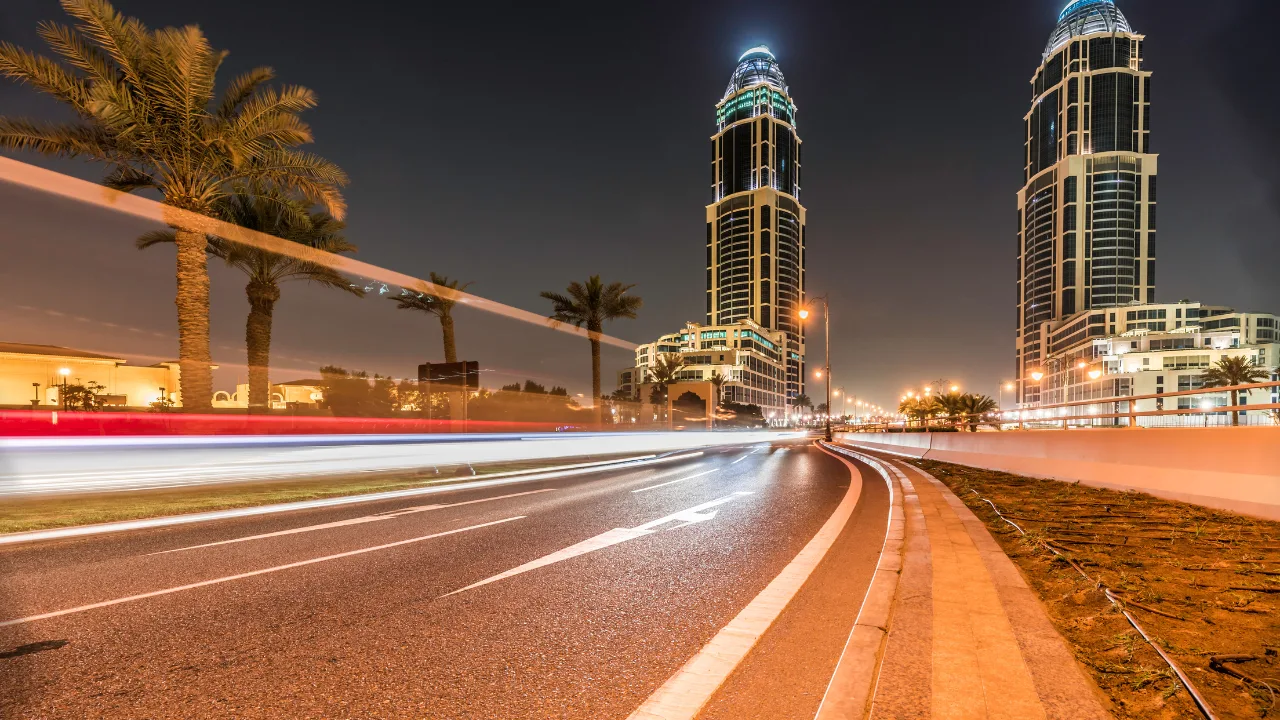
Dubai’s luxury property market operates on fundamentals that distinguish it from traditional real estate markets worldwide:
- Tax-Free Income and Capital Gains – Foreign investors enjoy full repatriation of funds and capital appreciation without income tax, creating significant long-term wealth accumulation potential. Read this Dubai service charges guide to understand ownership costs.
- Golden Visa Incentives – Properties valued at AED 2 million or more qualify buyers for 10-year residency visas, attracting global capital and creating sustained demand for premium real estate.
- Freehold Ownership for Foreign Nationals – Unlike many Middle Eastern markets, Dubai permits foreign ownership of freehold properties in designated areas, granting full property rights equivalent to UAE citizens.
- Strong Rental Yield Performance – The citywide average rental yield stands at 6.76%, significantly higher than many developed markets, with premium areas delivering 5–7% consistently and affordability-focused zones reaching 8–10%.
- Resilient Off-Plan Market – 69% of Q1 2026 transactions were off-plan properties, demonstrating investor confidence in developers and enabling entry at 20–30% discounts versus ready-to-occupy homes. Understand Dubai property laws for foreigners before buying real estate
- Record Tourism and Expatriate Demand – With 9.88 million visitors in 2026 and sustained expatriate migration, Dubai’s luxury residential market benefits from both investment capital and end-user demand for premium living.
- Strategic Government Policies – Dubai’s real estate regulatory framework, clear title registration, and investor-friendly tax structure attract international capital while ensuring market stability and transparency.
- Limited Supply of Ultra-Prime Properties – Scarcity of freehold land in Dubai’s most exclusive neighborhoods drives capital appreciation, with Palm Jumeirah and Emirates Hills experiencing 15–30% annual appreciation in 2026. Learn how to calculate ROI Dubai property investments accurately.
Factors That Make a Residential Area Expensive in Dubai
| Factor | Impact on Property Value | Examples in Dubai’s Luxury Markets |
| Location & Proximity to Icons | Prime waterfront, marina access, or proximity to Burj Khalifa command 40–60% premium over suburban areas. | Palm Jumeirah (beachfront), Downtown Dubai (Burj Khalifa access), Dubai Marina (marina views). |
| Developer Reputation & Track Record | Emaar, Sobha, and DAMAC properties trade at 15–25% premiums due to delivery reliability and brand prestige. | Emaar’s Downtown Dubai apartments fetch AED 4.31M average vs. mid-market alternatives at AED 2.5M. |
| Gated Security & Controlled Access | 24/7 surveillance, biometric entry systems, and private security justify 20–30% price premiums among UHNWI buyers. | Emirates Hills, Palm Jumeirah, Al Barari all feature private gated access. |
| Golf Course & Championship Facilities | Access to championship golf courses (18 or 36 holes) adds AED 5–15M in villa valuations. | Montgomerie Golf Course in Emirates Hills; Dubai Hills Estate championship course. |
| Waterfront Access & Marina Facilities | Direct beach access, private marinas, and yacht docking justify premiums of 30–50% over non-waterfront properties. | Palm Jumeirah (private beaches, 4,000+ villas); Dubai Marina (marina views). |
| Community Amenities & Lifestyle | Spas, wellness centers, fine dining, private clubs, and retail add 15–25% to property valuations. | Al Barari’s botanical gardens and sports complex; Palm Jumeirah’s resort-style facilities. |
| Master-Plan Design & Infrastructure | Integrated communities with retail, schools, healthcare, and recreational hubs support sustained appreciation. | Dubai Hills Estate (mall, schools, parks); District One (lagoon-front infrastructure). |
| Rental Yield Potential | Properties in high-demand areas with strong tenant bases command premiums; palm Jumeirah: 3.83–5.3% yield. | Downtown Dubai (5.8% yield, corporate tenants); Dubai Hills Estate (5.6–6.12% family demographic). |
| Capital Appreciation & Market Trends | Ultra-prime neighborhoods (Palm Jumeirah, Emirates Hills) experienced 15–30% appreciation in 2026. | Al Barari: 111% price increase since 2022; District One: 10–14% annual growth. |
| Branded Residences & Luxury Finishes | Projects with international hotel brands (Armani, FIVE, Six Senses) command 25–40% premiums. | Six Senses Residences Palm Jumeirah; Armani Beach Residences. |
Top Most Expensive Residential Areas in Dubai (2026)
| Community | Property Type | Average Price Range | Price/Sq Ft | Rental Yield | Capital Appreciation | Key Features |
| Palm Jumeirah | Luxury Villas | AED 8M–AED 150M+ | AED 4,818 | 3.83–5.3% | 15–26% YoY | Private beaches, iconic island, waterfront living, resort amenities. |
| Emirates Hills | Custom Mansions | AED 40M–AED 400M+ | Premium | 3–4% (villas) | 18–25% YoY | “Beverly Hills of Dubai,” golf course views, 24/7 security, privacy. |
| Downtown Dubai | Penthouses/Apartments | AED 4.31M (avg.) | Market-leading | 5.68% | 10–15% YoY | Burj Khalifa proximity, shopping, dining, urban lifestyle. |
| Dubai Marina | Luxury Apartments | AED 2.53M (avg.) | Mid-market | 5.72% | 8–12% YoY | Marina views, waterfront living, nightlife, retail access. |
| Al Barari | Villas & Apartments | AED 5.8M–AED 40M | Premium | 5–7% (apts), 6% (villas) | 100%+ since 2022 | Green oasis, botanical gardens, wellness facilities, exclusive design. |
| District One (MBR City) | Lagoon-Front Villas | AED 1.1M–AED 90M | Upscale | 5.08% | 10–14% YoY | 7km crystal lagoon, waterfront leisure, Downtown proximity. |
| Dubai Hills Estate | Villas & Apartments | Market-dependent | Standard | 4.81–6.12% | 10–14% YoY | Championship golf, parks, family-friendly, excellent schools. |
| Arabian Ranches | Family Villas | AED 3.1M–AED 60M | Accessible luxury | 3.73–5.29% | 8–12% YoY | Spanish-style villas, golf course, polo club, spacious plots. |
| Palm Jebel Ali | Beachfront Villas | AED 18M–AED 40M+ | High-value | 4–6% | 12–18% YoY | Emerging alternative to Palm Jumeirah, larger plots, waterfront access. |
| Business Bay | Penthouses/Apartments | Studio: AED 900K–AED 7M | Mid-premium | 6.74% | 8–11% YoY | Commercial hub, canal views, high-value penthouses up to AED 25M. |
Lifestyle and Amenities in Dubai’s Luxury Communities
Dubai’s most expensive residential areas combine architectural sophistication with resort-style amenities that redefine daily living:
- 24/7 Concierge & Security – Gated communities with biometric access, CCTV, and dedicated concierge services.
- Golf & Waterfront Access – Private golf courses, marinas, beaches, and water sports facilities.
- Fitness & Wellness – Modern gyms, yoga/Pilates studios, spas, and holistic wellness programs.
- Fine Dining & Retail – Michelin-starred restaurants, private chefs, luxury boutiques, and VIP shopping.
- Branded Residences – Hotel-style services in properties like Six Senses, Armani Residences, and FIVE.
- Green Spaces & Recreation – Landscaped gardens, parks, walking trails, sports facilities, and family-friendly clubs.
- Education – Close to top international schools.
- Compare Dubai villa vs apartment to see which property suits you best.
Dubai Luxury Residential & Market Insights for 2026
Dubai’s luxury residential market in 2026 and beyond demonstrates resilience and strategic growth positioning:
- Ultra-Prime Boom – Q2 2026 saw US$2.6B in super-prime sales (>$10M), highlighting strong international demand.
- Off-Plan Confidence – 69% of Q1 2026 transactions were off-plan, offering buyers 20–30% below future market prices.
- Price Appreciation – Citywide prices rose 3.7% QoQ; ultra-prime areas like Palm Jumeirah (+26% YoY) and Al Barari (+111% since 2022) outperformed significantly.
- Capital Over Yield – Emirates Hills and Palm Jumeirah focus on 15–30% annual appreciation; rental yields remain stable (apartments 7.07%, villas 4.93%).
- Supply & Market Pressure – 70,452 units in 2026 and 133,041 projected in 2026 may trigger mid-market corrections of 10–15%, but ultra-prime remains insulated.
- International HNW Migration – Golden Visa, tax-free income, and geopolitical factors drive sustained luxury demand.
- Branded Residences Lead – 140+ hotel-branded developments continue to outperform due to premium services.
- 2026 Outlook – Ultra-prime and branded segments to grow; mid-market may see selective corrections, reinforcing “flight-to-quality.”
Explore high-ROI Business Bay property investment opportunities. And follow this Dubai Hills Estate investment guide for premium returns.
Tips for Buying or Investing in Dubai’s Luxury Properties
- Check Developer Reputation – Prioritize established names like Emaar, Sobha, DAMAC for reliability and delivery.
- Do Market Research – Analyze area demographics, rental demand, resale trends, and upcoming infrastructure.
- Know Ownership Types – Freehold (perpetual) vs. leasehold (99-year) affects resale and financing.
- Get Legal Review – Verify title deeds, contracts, and RERA registration with a Dubai legal advisor.
- Calculate Net Yield – Include service charges, taxes, and maintenance; gross yield may differ significantly.
- Plan Exit Strategy – Consider 5–10 year holding periods and resale potential.
- Inspect Properties – Visit sites to confirm quality, floor plans, and amenities.
- Consider Branded Residences – Hotel-managed properties often have higher rental demand and resale value.
- Use Off-Plan Opportunities – Benefit from discounts and flexible payment plans.
- Align with Goals – Focus on capital appreciation (villas/prime areas) or rental income (apartments/emerging communities).
For personalized guidance on Dubai’s luxury market, consult Lykan’s Realty for premium listings and expert advice. This guide is ideal for every first time home buyer Dubai market entrant.
Common Mistakes Buyers Make in Luxury Real Estate
Avoiding costly errors separates successful luxury investors from those facing regrets and financial losses:
- Buying Hype Over Fundamentals – Check rental demand, resale trends, and community fit.
- Ignoring Legal & Ownership Issues – Verify freehold vs. leasehold, title deeds, and foreign ownership eligibility.
- Skipping Site Visits & Floor Plan Checks – Don’t rely on brochures; inspect property quality and layout.
- Underestimating Costs – Include service charges, maintenance, and fees in net yield calculations.
- No Exit Strategy – Plan holding period, resale expectations, and target returns.
- Blind Trust in Developers/Advisors – Verify delivery track record; use independent advisors.
Future Outlook: Dubai Luxury Real Estate 2026
Dubai’s luxury market in 2026 targets selective growth, with ultra-prime areas like Palm Jumeirah, Emirates Hills, and District One attracting high-net-worth buyers. Rising handovers will prioritize location, developer reputation, and sustainability. Learn exactly how to buy property in Dubai step by step.
Branded residences, waterfront communities, and villa estates are set to outperform mid-market segments, with ultra-prime areas seeing 8–15% appreciation (4–6% yields) and premium communities like Dubai Hills Estate offering 10–14% appreciation (6–8% yields).
The next cycle will emphasize sustainability, smart-home integration, and mixed-use developments for long-term resilience.For buyers exploring alternatives beyond Dubai, check villas in Sharjah, townhouses in Sharjah, apartments in Sharjah, apartments in Ras Al Khaimah, and villas in Ras Al Khaimah.
Conclusion
Dubai’s luxury residential areas, from Palm Jumeirah to Emirates Hills, combine architectural brilliance, lifestyle, and strong investment potential. These neighbourhoods offer capital appreciation, attractive rental returns, and world-class amenities. Discover why Al Furjan investment area attracts long-term investors.
Success in this market requires careful due diligence, expert advice, and aligning property choices with financial goals. With limited ultra-prime supply, tax incentives, and global demand, Dubai’s elite properties remain resilient, delivering both income and long-term growth.
Explore premium investment opportunities with Lykan Realty, from DAMAC Shoreline developments to residential townhouses in Ras Al Khaimah, as well as land and villas in Ajman & RAK, with expert guidance to maximize your ROI in Dubai property.
FAQ
Q: What is the average price of villas in Dubai’s most expensive areas?
Palm Jumeirah AED 44.6M, Emirates Hills AED 40–400M, Arabian Ranches AED 3.1–60M, Al Barari AED 5.8–40M.
Q: Are luxury properties in Dubai good investments?
Yes, they offer strong tax-free returns, capital appreciation, and long-term growth.
Q: What are the rental yields in Dubai’s luxury communities?
Apartments ~7%, villas ~5%; prime areas range 3.8–6.1% depending on location.
Q: Which luxury community in Dubai offers the best value?
A: Dubai Hills Estate balances attractive yields (4.8–6.1%) with 10–14% appreciation.
Q: Can foreigners buy property in Dubai’s luxury areas?
A: Yes, full ownership allowed in freehold zones with visa eligibility.
Q: What are the common challenges in Dubai’s luxury real estate market?
High service charges, oversupply, developer risks, delivery delays, and regulatory changes.
Q: What is the rental demand like in Dubai’s premium neighborhoods?
Strong and consistent demand from expats, families, and corporate tenants.
Q: How do I determine if a luxury property is priced fairly?
Compare similar sales, check developer track record, analyze yields, and get professional valuations.
About The Author