Smart Homes in Dubai: AI-Powered Living & Home Automation

Written By
Amna
đź“…
Published On
3rd Dec, 2025
⏱️
Min Reading
19 Min

According to the research team of Lykans, smart homes in Dubai are revolutionizing the real estate landscape by merging cutting-edge technology with luxury residential living. 

The city’s commitment to becoming the world’s smartest metropolis has positioned smart home technology Dubai as more than just a luxury—it’s now a fundamental investment consideration for property buyers and renters alike. This comprehensive guide explores everything you need to know about smart homes in Dubai, from installation costs to investment returns.

Overview: Understanding Smart Homes in Dubai

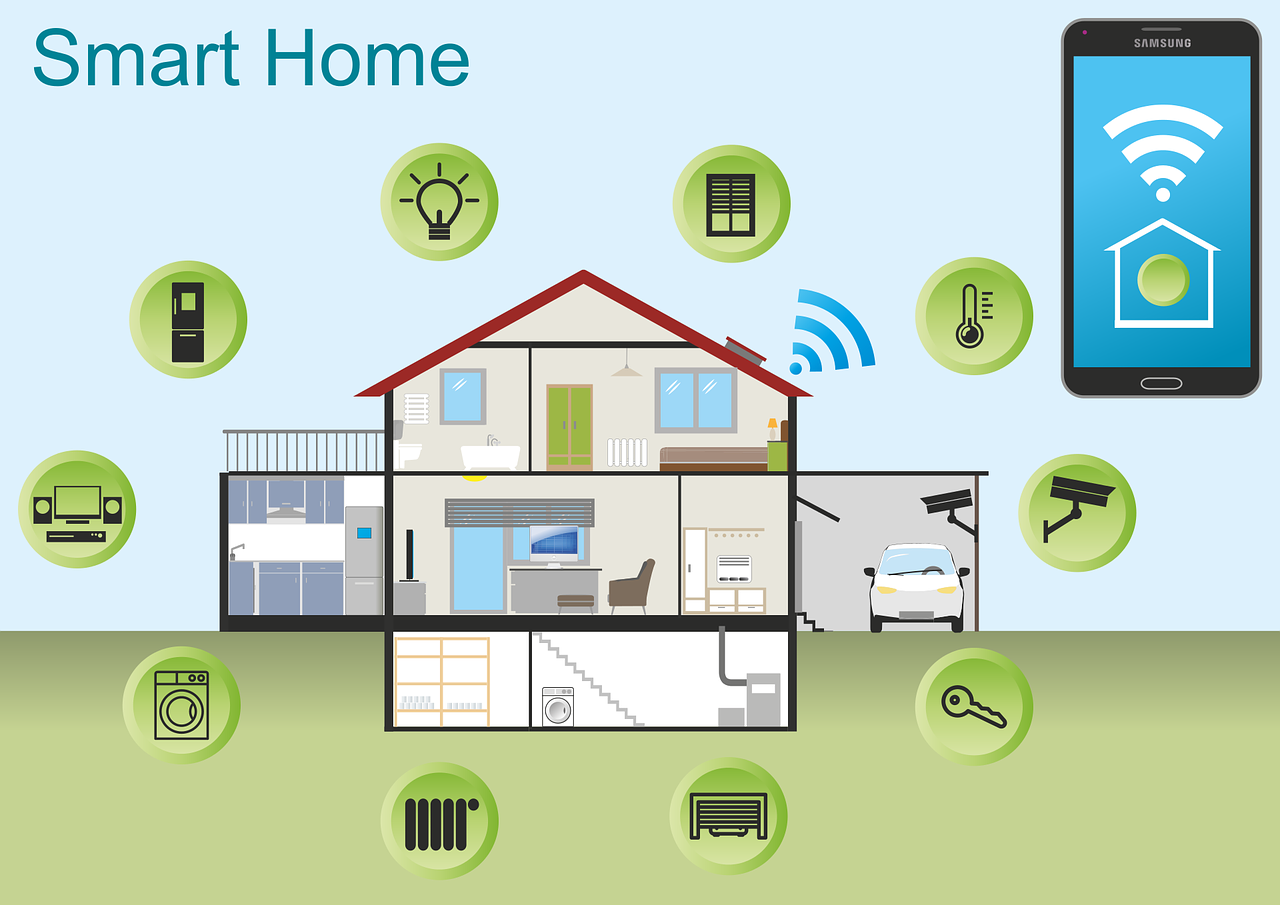
According to the Lykan’s expert team analysis, a smart home represents a residentially integrated ecosystem where connected devices communicate seamlessly to automate daily functions. In Dubai’s context, smart homes in Dubai combine Internet of Things (IoT) technology, artificial intelligence (AI), and machine learning to create living spaces that respond intuitively to residents’ needs. The Lykans research team has documented that these properties control everything from lighting, climate, security, and entertainment through smartphones, voice commands, or automated routines.

The growth trajectory for home automation Dubai has been exceptional, with the market projected to expand at 11.13% annually, reaching $113.8 million by 2028. The Lykans team’s research indicates that 86% of UAE luxury homebuyers now prioritize smart home features, reflecting a fundamental shift in real estate expectations. Dubai’s ultra-luxury segment experienced a 35% year-on-year increase in transaction volume during 2024, largely driven by smart technology integration. This transformation reflects Dubai’s positioning as a leader in residential innovation and technological advancement.

Why Smart Homes Are Becoming Essential in Dubai

The Dubai Smart City Vision and Government Support

Dubai’s Smart City Initiative and the 2040 Urban Master Plan actively encourage integration of smart home systems Dubai across residential developments. The government’s emphasis on sustainability through initiatives like the Dubai Clean Energy Strategy 2050 and DEWA incentive programs has made smart homes a strategic priority rather than a luxury afterthought.

The Lykans expert team recognizes that government backing translates into real value for property owners. Developers increasingly pre-wire new construction for smart villas in dubai and smart apartments, with several communities now offering smart-ready infrastructure. This institutional support creates an ecosystem where smart homes command premium prices and attract premium tenants.

Market Demand from Tech-Savvy Residents

Dubai’s cosmopolitan population—comprising tech-forward expatriates and affluent locals—actively seeks connected homes in Dubai that simplify daily routines. Voice-controlled systems, remote monitoring capabilities, and energy management have transitioned from novelties to expected amenities in mid-to-high-end properties.

Energy Efficiency in Desert Climate

The most compelling driver for energy efficient smart homes dubai adoption remains the city’s extreme heat. Air conditioning consumes over 70% of residential electricity during summer months, making climate control optimization financially significant. 

Smart thermostats can reduce energy consumption by up to 30%, translating into substantial cost savings across a property’s lifecycle.

Key Smart Home Technologies Transforming Dubai Residences

AI and Machine Learning-Powered Automation

AI-driven systems represent the most transformative innovation in ai powered homes dubai technology. These intelligent platforms learn residents’ behavior patterns—when they typically wake up, preferred temperature ranges, preferred lighting levels—and automatically adjust settings without manual intervention.

According to Lykans team findings, modern smart home solutions Dubai now incorporate predictive capabilities that anticipate needs. Your home precools during scorching afternoons before you arrive, gradually warming lighting in the morning to simulate sunrise, and automatically dimming entertainment systems when family members leave rooms. This autonomous functionality delivers comfort while systematically reducing utility expenses.

Voice-Controlled Living Ecosystems

Voice controlled homes Dubai have evolved from experimental features to essential components in modern automation systems. Integration with Alexa, Google Home, and Siri enables comprehensive control through simple verbal commands. Residents manage lighting, temperature, door locks, entertainment systems, and appliance operation without touching physical interfaces.

The Lykans research team emphasizes that multilingual voice assistants address Dubai’s diverse population, supporting Arabic, English, and numerous other languages. This accessibility removes technical barriers and accelerates smart home adoption across varied demographic groups.

IoT Connectivity and Device Communication

IoT homes in Dubai establish interconnected networks where devices communicate autonomously and transmit data in real-time. Smart refrigerators notify residents when groceries need replenishment. 

Water sensors detect potential leaks before damage occurs. Lighting systems adjust based on natural daylight levels and room occupancy, eliminating energy waste from unnecessary illumination.

Advanced Security and Surveillance Integration

Biometric Access and Smart Lock Systems

Smart home security systems dubai increasingly incorporate biometric authentication rather than traditional keys or passcodes. Fingerprint recognition, facial identification, and iris scanning technologies provide both convenience and enhanced security. 

Smart locks allow temporary access codes for service personnel, with comprehensive activity logs tracking every entry and exit.

AI-Powered Surveillance and Threat Detection

Modern surveillance systems equipped with artificial intelligence distinguish between family members, pets, and genuine security threats, reducing false alarm incidents. Night vision capabilities maintain protection regardless of lighting conditions, while real-time alert systems notify homeowners of suspicious activity instantly through mobile applications.

24/7 Remote Monitoring and Real-Time Response

Dubai Police’s smart home security collaboration with telecommunications providers offers 24/7 professional monitoring. Property owners receive instant notifications of unauthorized access attempts, motion detection alerts, and door-opening events, enabling rapid response whether at home or traveling internationally.

Climate Control and Energy Management Systems

Smart home features Dubai prominently include automated temperature regulation specifically designed for desert environments. Smart thermostats learn daily patterns and seasonal variations, maintaining comfort while minimizing energy consumption. 

Motorized blinds and automated curtains reduce solar heat gain during peak temperature hours, substantially decreasing cooling demands.

Water Conservation and Sustainability

Lykans team research identifies water management as equally critical to energy efficiency. Smart irrigation systems detect soil moisture levels and weather patterns, delivering precise watering that eliminates waste. Leak detection systems identify plumbing issues within minutes rather than days, preventing extensive water loss and property damage.

Solar Integration and Renewable Energy Management

Premium luxury smart homes dubai increasingly incorporate solar panels with battery storage, creating partially self-sustaining residential ecosystems. Smart inverters and energy management systems optimize electricity consumption, storing excess solar generation for evening usage when grid demand peaks and electricity costs rise.

Entertainment and Lifestyle Automation

Tech enabled homes Dubai provide seamless entertainment integration where residents control multi-room audio systems, cinema-quality home theaters, and connected appliances through unified platforms. Gaming systems, streaming services, and lighting automatically adapt to selected entertainment configurations with minimal manual adjustment.

Smart Home Installation Costs in Dubai: Comprehensive Breakdown

Understanding the Cost Structure

Installation expenses for smart home installation dubai vary dramatically based on property size, automation complexity, and technology tier selected. The Lykans expert team has catalogued the following cost ranges:

Property Type Automation Scope Estimated Cost (AED) Typical Features
Studio/1-Bed Apartment Basic Starter Kit 2,500 – 5,000 Smart lighting, basic thermostat, smart lock
2-3 Bed Apartment Mid-Range System 8,000 – 25,000 Full lighting, climate zones, CCTV, shades
Villa/Large Property Premium Automation 45,000 – 250,000 Complete home wiring, AV systems, solar integration
Ultra-Luxury Villa Full Integration 250,000+ Advanced AI, biometric security, predictive maintenance

Entry-Level Smart Home Systems: AED 2,500-5,000

Basic systems target apartment dwellers seeking introductory automation. These packages typically include smart lighting control, fundamental thermostat automation, and smart lock installation. Remote management through mobile applications provides essential convenience without extensive infrastructure modifications.

Mid-Range Home Automation Solutions: AED 8,000-45,000

Mid-tier installations suit larger apartments and smaller villas where residents want comprehensive functionality across multiple systems. This tier adds automated window treatments, multiple climate control zones, integrated surveillance systems, and entertainment automation. 

Wireless protocols minimize installation disruption in existing properties while hardwired systems in new construction offer enhanced reliability and performance.

Premium and Ultra-Luxury Automation: AED 45,000-500,000+

High-end properties receive custom engineering addressing specific architectural requirements and resident preferences. These installations feature AI-powered predictive systems, biometric security, integrated renewable energy, advanced entertainment theaters, and professional-grade surveillance networks. 

Installation timelines extend across months for completely integrated systems requiring coordination with architectural and electrical infrastructure.

Benefits of Smart Homes in Dubai: Investment and Lifestyle Advantages

Financial Returns and Property Appreciation

Smart property investment Dubai consistently outperforms traditional residences in both rental yield and appreciation rates. According to Lykans team analysis, smart homes deliver 3-5% higher annual ROI compared to conventional properties. A standard apartment yielding 7% annually can achieve 10-12% returns when equipped with comprehensive automation systems.

The financial mechanisms driving superior returns include:

  • Rental Premium Impact: Smart homes command 15-20% higher rental rates in competitive markets
  • Energy Savings: Reduced utility costs ranging from 30-40% annually, directly improving net returns
  • Tenant Placement: 25% faster tenant placement due to premium property positioning
  • Cost Recovery Timeline: Installation expenses typically recoup within 18-24 months through improved returns

Enhanced Security and Peace of Mind

Benefits of smart homes in Dubai extend significantly beyond convenience to genuine security advantages. Remote monitoring allows property oversight whether attending business meetings downtown or vacationing internationally. Biometric access controls prevent unauthorized entry while maintaining logs of every access event. 

AI-powered surveillance distinguishes genuine threats from routine occurrences, reducing false alarm fatigue.

Energy Efficiency and Sustainability

Sustainable smart homes Dubai address Dubai’s environmental commitments while reducing resident expenses. Smart climate systems learn temperature preferences and automatically adjust HVAC operation, eliminating energy waste from unnecessary cooling.

 Lighting systems respond to occupancy and natural daylight levels, ensuring illumination occurs only when needed. In aggregate, these optimizations frequently reduce electricity consumption by 30% or more.

Disadvantages and Considerations: Honest Assessment

Initial Capital Investment Requirements

The primary disadvantage of smart home cost in Dubai remains significant upfront expenditure. Even basic systems require AED 2,500 minimum investment, while comprehensive automation in villas easily exceeds AED 100,000. This substantial initial cost creates barriers for budget-conscious property owners, though long-term savings often justify the investment.

Technological Obsolescence and Update Requirements

Smart home technology evolves rapidly, creating potential obsolescence concerns. Devices currently considered cutting-edge may become outdated within 5-7 years as new standards emerge. Software updates, compatibility issues, and manufacturer support discontinuation pose ongoing management challenges. Residents must anticipate periodic upgrades to maintain system functionality and security reliability.

Complexity and Technical Support Dependency

Comprehensive smart home systems introduce operational complexity that exceeds traditional home management. Technical difficulties require specialized support, potentially resulting in expensive service calls for minor configuration issues. 

Residents lacking technological proficiency may experience frustration during setup and routine adjustments, limiting the practical benefits these systems theoretically provide.

Privacy and Data Security Concerns

Connected devices continuously collect data regarding resident behavior, energy usage patterns, and movement throughout the home. This granular information creates privacy vulnerabilities if security protocols falter. 

Cyberattacks targeting smart home networks could compromise security systems, disable surveillance capabilities, or grant unauthorized access. Residents must implement robust cybersecurity measures and maintain updated security protocols.

Integration and Compatibility Challenges

Different manufacturers’ devices don’t always communicate seamlessly despite industry standardization efforts. A smart lock from Company A may not integrate smoothly with automation platforms from Company B, creating fragmented systems requiring separate applications and control interfaces. This technological fragmentation undermines the unified convenience these systems promise.

Pros and Cons Comparison Table: Making Your Smart Home Decision

Advantage Disadvantage
Energy Savings (30-40% reduction) High Initial Investment (AED 2,500-500,000+)
Remote Access & Monitoring Technological Obsolescence & Updates
Enhanced Security with Biometrics Technical Complexity & Support Needs
Increased Rental Income (15-20% premium) Privacy & Data Security Risks
Faster Tenant Placement (25% improvement) Device Compatibility Issues
Predictive Maintenance & Fewer Breakdowns Ongoing Subscription & Maintenance Costs
Automated Climate Control (Desert Optimization) Installation Disruption in Existing Properties
Voice Control & App Management Learning Curve & User Adjustment Period
Property Value Appreciation Dependency on Internet Connectivity
Sustainability & Environmental Impact Vendor Lock-in & Limited Switching Options

Top Smart Home Companies in Dubai: Leaders in Innovation

Reels Smart Technologies

Reels Smart Technologies has established itself as among the most prominent best smart home companies in Dubai, specializing in ultra-luxury automation installations.

 The company delivers KNX-standard protocol solutions with particular expertise in new construction projects. Their portfolio includes landmark luxury developments where they’ve integrated complete home automation combining lighting, climate, security, and entertainment systems.

Zyonz Technologies

As a comprehensive home automation solutions dubai provider, Zyonz Technologies delivers end-to-end solutions from consultation through ongoing support. 

The company specializes in both residential apartments and villas, with expertise in energy-saving technologies and advanced security system integration. Their approach emphasizes customized solutions addressing specific property requirements.

Ruby Tech UAE

Ruby Tech UAE focuses on voice-activated smart home integration, particularly Alexa and Google Home installations. The company provides consultation, installation, and post-implementation support, making smart home technology accessible to residents across technical proficiency levels. Their multilingual support addresses Dubai’s diverse expatriate population.

Acevega Technologies

Acevega Technologies operates as a dedicated smart home automation company Dubai providing tailored solutions for both apartments and villas. The company emphasizes education regarding smart home benefits while designing systems matching individual resident needs rather than imposing standardized configurations.

Smart Home Technology

Operating as a comprehensive provider, Smart Home Technology offers lighting, air conditioning, CCTV, alarm systems, and advanced security solutions. The company’s extensive Dubai presence includes multiple showrooms enabling prospective clients to experience smart home technologies before installation commitment.

Smart Home Trends and Future Developments in Dubai 2025-2026

Predictive Automation and Adaptive Learning

The next evolution in smart home trends dubai 2026 centers on predictive automation where systems anticipate resident needs before manual intervention occurs.

AI systems will learn seasonal variations, daily schedules, and personal preferences to automatically adjust every aspect of the living environment. This progression moves beyond reactionary automation toward genuinely anticipatory home management.

Biometric Security Standardization

Facial recognition, fingerprint scanning, and iris identification will transition from premium features toward baseline expectations in futuristic homes Dubai. Advanced authentication prevents unauthorized access while eliminating physical keys and access cards. Integration with access logs provides comprehensive security documentation for property management and insurance purposes.

Renewable Energy and Grid Integration

Sustainable smart homes dubai increasingly incorporates solar panels, battery storage, and bi-directional grid connections where homes export excess power during peak demand periods. Smart energy management systems optimize consumption relative to real-time electricity pricing, positioning residents as active participants in Dubai’s energy ecosystem rather than passive consumers.

Voice Assistant Evolution and Multilingual Support

Voice control interfaces continue advancing toward natural language comprehension that understands context and nuance. Multilingual support enables families speaking different languages to control systems through native tongue commands. This evolution removes technical barriers for residents less comfortable with English or Arabic exclusively.

Blockchain for Security and Smart Contracts

Emerging implementations utilize blockchain technology for home automation security and automated service contracts. This architecture creates immutable records of security events and device maintenance, while smart contracts automatically execute predetermined actions (service calls, replacements, alerts) when specific conditions occur.

Why Smart Homes Benefit Dubai Property Buyers and Renters

According to Lykans team research, smart homes in Dubai deliver tangible benefits across multiple dimensions affecting property selection decisions. For investors, superior rental yields and faster tenant placement directly improve financial performance. For owner-occupants, energy efficiency, convenience, and security enhancements meaningfully improve daily life quality.

The intersection of government support, resident demand, technological maturity, and Dubai’s climate conditions creates an ideal environment where smart home technology delivers genuine value rather than serving as pure novelty. Properties aligned with the Smart Dubai initiative and incorporating current automation standards command premium positioning in competitive luxury markets.

Essential Expert Tips: Lykans Team Recommendations

  • Tip 1 – Match Technology to Property Type: Different properties benefit from different automation approaches. Villas justify premium biometric security and renewable energy integration, while apartments prioritize space-efficient solutions emphasizing security and energy management over entertainment automation.
  • Tip 2 – Prioritize Interoperability and Open Standards: Select systems utilizing industry-standard protocols (KNX, Z-Wave, Zigbee) rather than proprietary architectures, ensuring future device additions and technology upgrades without complete system replacement. Compatibility with major platforms (Apple HomeKit, Amazon Alexa, Google Home) prevents vendor lock-in limiting flexibility.

Expert Opinions: Industry Perspectives on Smart Homes Dubai

  • “Smart homes in Dubai have transitioned from luxury novelties to essential investment components. We now observe that properties without baseline automation features appeal primarily to budget-conscious renters rather than premium market segments. The technology has genuinely matured to the point where it delivers measurable financial returns within reasonable timeframes.” 
  • “The intersection of Dubai’s extreme climate and smart home energy management creates compelling economics. A well-designed system recovers installation costs through utility savings alone, with additional returns coming from rental premiums and faster tenant placement. This convergence positions smart homes as financially rational rather than purely aspirational investments.” 

Smart Home Investment Opportunities in Dubai’s Premium Properties

According to Lykans team research, the convergence of Dubai’s smart city vision, premium tenant demand, and technology maturation creates exceptional investment timing. Properties now incorporating smart home solutions Dubai position investors to capture value from multiple directions simultaneously: appreciation from technology premium, rental income from demand strength, and operational savings from efficiency optimization.

For property investors considering smart property investment in Dubai in established communities like Downtown Dubai, Palm Jumeirah, and Dubai Hills Estate, smart home integration significantly enhances competitive positioning. These premium locations attract internationalized populations most likely to value technology integration, creating complementary market dynamics where smart features command justified premium pricing.

The Lykans team analysis suggests that buyers timing property purchases to coincide with smart home market maturation capture substantial value as technology adoption accelerates. Early-stage adopters positioned their investments advantageously relative to later market entrants, creating wealth differentials benefiting foresighted investment decisions.

Related Investment Resources and Property Buying Guidance

For comprehensive information regarding Dubai property investment timing and market analysis, consult best place to buy property in Dubai for invest. Determining optimal purchase timing requires understanding Dubai’s real estate cycle and identifying properties offering both lifestyle benefits and appreciation potential.

First-time international buyers should review good time to buy property in Dubai for insights regarding current market conditions, seasonal pricing variations, and opportunity identification. This guidance helps frame smart home investment decisions within the broader Dubai property market context.

For international investors specifically, best property investment in Dubai for foreigners provides country-specific guidance regarding ownership regulations, financing options, and market dynamics affecting non-citizen buyers. Smart home integration becomes particularly valuable for foreign investors targeting rental income from internationally mobile expatriate populations.

Prospective buyers benefit from professional guidance through best real estate agency in Dubai, where experienced agents understand smart home market premiums, can identify properties with genuine automation features versus cosmetic marketing claims, and negotiate pricing reflecting technology value. Quality agent guidance prevents overpayment for marginally automated properties.

Indian citizens considering Dubai property investment should review can Indian citizens buy property in Dubai, which addresses regulatory frameworks, financing mechanisms, and investment-specific considerations affecting Indian nationals. Smart home properties present particular value for Indian investors targeting rental income from India-origin expatriate communities concentrated in Dubai.

For additional property market guidance and investment analysis, visit Lykans Realty’s comprehensive resource.

Conclusion: Smart Homes as Dubai’s Residential Future

Smart homes in Dubai represent far more than technological novelty—they constitute rational investments delivering measurable financial returns alongside enhanced lifestyle quality. The convergence of government support, resident demand, technological maturity, and climate-driven economic incentives positions smart home technology Dubai as fundamental to premium residential positioning.

The Lykans team’s extensive research confirms that smart homes consistently deliver 3-5% higher annual returns compared to traditional properties, recover installation investments within 18-24 months, and command rental premiums justifying premium positioning. For property investors and owner-occupants alike, smart home integration aligns with Dubai’s vision for sustainable, technologically advanced urban living while providing immediate practical and financial benefits.

Whether prioritizing security through advanced biometric systems, maximizing energy efficiency through predictive climate management, or enhancing convenience through voice-activated automation, smart homes address genuine resident needs while improving property economics. As technology continues advancing and adoption accelerates, smart home features transition from premium differentiators toward baseline expectations in Dubai’s mid-to-high-end residential market.

The question for prospective property buyers and investors has shifted from “Should I invest in smart homes?” to “How can I best leverage smart home technology to enhance my Dubai property investment?” This fundamental reframing reflects market maturation and genuine economic value delivery that distinguishes smart homes from transient real estate trends.

Frequently Asked Questions: Your Smart Home Queries Answered

Q1: What is the realistic ROI timeline for smart home investments in Dubai?

According to Lykans team analysis, installation costs typically recoup within 18-24 months through improved rental yields, energy savings, and faster tenant placement. Long-term appreciation and sustained rental premiums extend benefits across the property holding period, making smart homes financially rational investments rather than pure lifestyle choices.

Q2: Can existing apartments and villas be upgraded to smart homes, or must new properties be selected?

Both approaches are viable. New construction offers simpler integration where electrical infrastructure incorporates smart automation during initial building phases. Existing properties can upgrade through wireless protocols minimizing installation disruption, though comprehensive hardwired systems require more extensive modifications. Cost and integration capability vary based on existing electrical infrastructure.

Q3: Which smart home features should budget-conscious buyers prioritize?

Smart lighting, thermostat automation, and smart locks deliver maximum return on investment for budget-limited buyers. These three components address the most frequent daily interactions while providing security and energy efficiency benefits justifying their moderate costs (AED 2,500-5,000 range).

Q4: How does smart home technology specifically address Dubai’s climate challenges?

Smart thermostats learn preference patterns and automatically reduce cooling during unoccupied periods. Motorized blinds and automated curtains minimize solar heat gain during peak temperature hours. Combined with energy monitoring, these systems reduce air conditioning consumption by 30-40%, directly addressing Dubai’s primary residential energy expense.

Q5: Are smart home systems vulnerable to hacking or cybersecurity threats?

Connected systems do present cybersecurity considerations requiring attention to data protection. Residents should select established manufacturers with strong security track records, maintain current software updates, utilize strong passwords, and consider professional security audits. Properly secured systems function reliably without undue vulnerability, though awareness remains important.

Q6: Can renters benefit from smart home technology, or does ownership requirement exist?

Renters benefit significantly from smart homes through reduced utility expenses and enhanced convenience. However, smart apartment rentals currently represent a limited market segment. Property owners increasingly recognize that smart-enabled properties attract premium tenants and command higher rental rates, driving gradual expansion of rental smart homes across Dubai’s market.

Q7: What sustainability advantages do smart homes provide beyond energy savings?

Smart homes reduce water waste through intelligent irrigation and leak detection, minimize unnecessary heating through predictive climate management, and optimize lighting based on occupancy and natural daylight. Integration of solar power and battery storage further reduces dependence on grid electricity. Collectively, these features align residences with Dubai’s sustainability commitments and environmental responsibility goals.

Q8: How should prospective buyers evaluate smart home systems before purchase commitment?

Request detailed documentation of installed systems, access to demonstration units or similar properties, and clarity regarding future upgrade pathways. Engage independent consultants if substantial investments are considered. Verify manufacturer reputation, ensure warranty coverage clarity, and confirm post-implementation support availability. This diligence prevents costly mistakes and ensures purchased systems genuinely deliver promised functionality.


About The Author